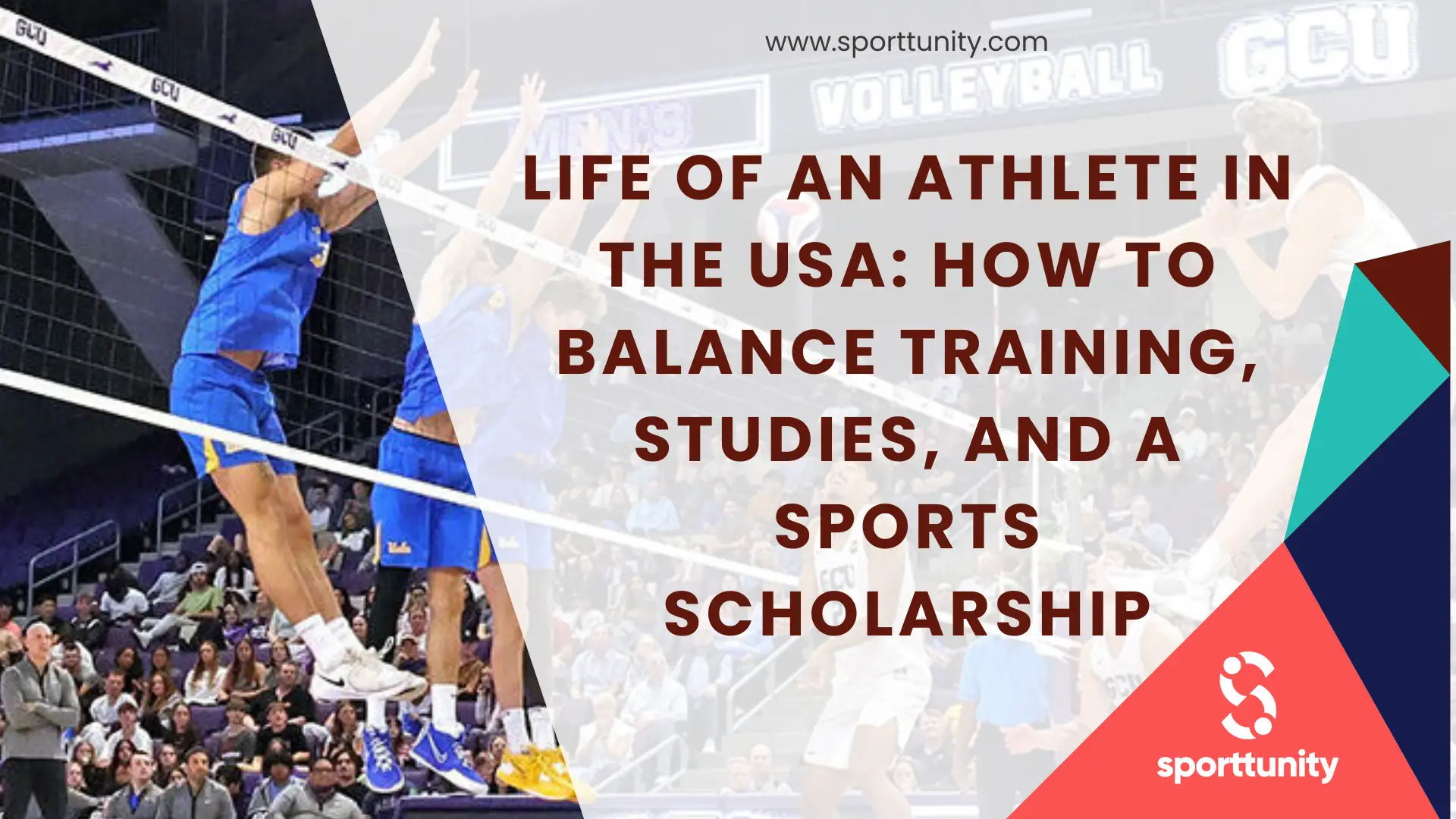
Going to the U.S. on a sports scholarship feels like a dream come true for many young athletes.Modern sports facilities, professional coaches, and academic support offer the chance to grow both athletically and academically. Still, the real challenge lies in balancing training, studies, and everyday life
In this guide, we’ll provide a detailed insight into all aspects of an athlete’s life in the U.S., including dual careers, financial tips, time management, safety, and emotional adjustment.
The Daily Rhythm – A Schedule Full of Challenges
A typical day for a student-athlete in the U.S. is packed from early morning to late evening. The day usually starts with morning workouts or conditioning sessions, followed by classes, labs, or practical exercises at the university. Breaks are used for studying, completing assignments, or meeting with professors. Afternoons and evenings are often reserved for tactical training, team meetings, or competitions.
While the schedule may seem intense, many athletes highlight that universities in the U.S. are very well-organized.Their systems are designed specifically to allow students to balance two careers – athletic and academic.
Support System – A Team for Success
One of the biggest advantages of American universities is the extensive support network.Athletes have academic advisors who help them coordinate classes with training schedules, tutors and mentors for additional academic support, nutritionists who monitor their diet, and strength and conditioning coaches who create individualized plans.
It’s also common for universities to have sports psychologists, as mental stability plays a huge role in balancing responsibilities and achieving top performance. In this way, a student is never alone – a whole system is in place to guide them through challenges.

Discipline and Organization – The Keys to Success
Life as a student-athlete in the U.S. is not easy, but this is precisely its value. Strong discipline, good organization, and a willingness to invest effort every day are essential. These qualities develop character and skills that lasts a lifetime.
Many athletes say that after a few months, they find their rhythm, and the combination of responsibilities helps them become more efficient and determined. The balancing skills they acquire later benefits in every aspect of life – whether they continue in professional sports or pursue a business career.
Typical schedules include morning classes, afternoon practices, and weekend competitions. To balance successfully, it’s important to:
-
Plan the day – using calendars and planners
-
Use breaks wisely – study between classes
-
Rely on academic advisors – many universities assign mentors to athletes
According to the NCAA (National Collegiate Athletic Association), student-athletes in the U.S. train an average of 20–25 hours per week, in addition to their academic studies, so efficient time management is crucial.
A Life-Changing Experience
Beyond training and studies, there is also a social life that makes the experience unforgettable. . University campuses are full of activities – from sporting events and cultural activities to meeting people from all over the world. Athletes often say that these connections give them a new perspective on the world and teach them to appreciate diversity.
For parents, the most important thing is knowing that their children are not only “on the field” but also in an environment that fosters independence, responsibility, and a broad worldview..
Studying in the U.S. brings many benefits:
-
Professional facilities and coaches - access to top-tier athletic and academic programs
-
International experience – competitions across the U.S. and meeting athletes worldwide
-
Dual career development – advancing both sports and academics simultaneously
-
Connections to pro leagues – exposure to scouts and professional coaches
Challenges to overcome
While rewarding, the experience also comes with challenges:
-
Balancing games with exams – requires planning and professor support
-
Limited free time – finding balance between sports, academics, and social life
-
Cultural and language adjustment – adapting to life abroad can be stressful
Tips for overcoming challenges:
-
Regular check-ins with coaches and academic mentors
-
Prioritizing meals and sleep
-
Joining student communities for support and socialization
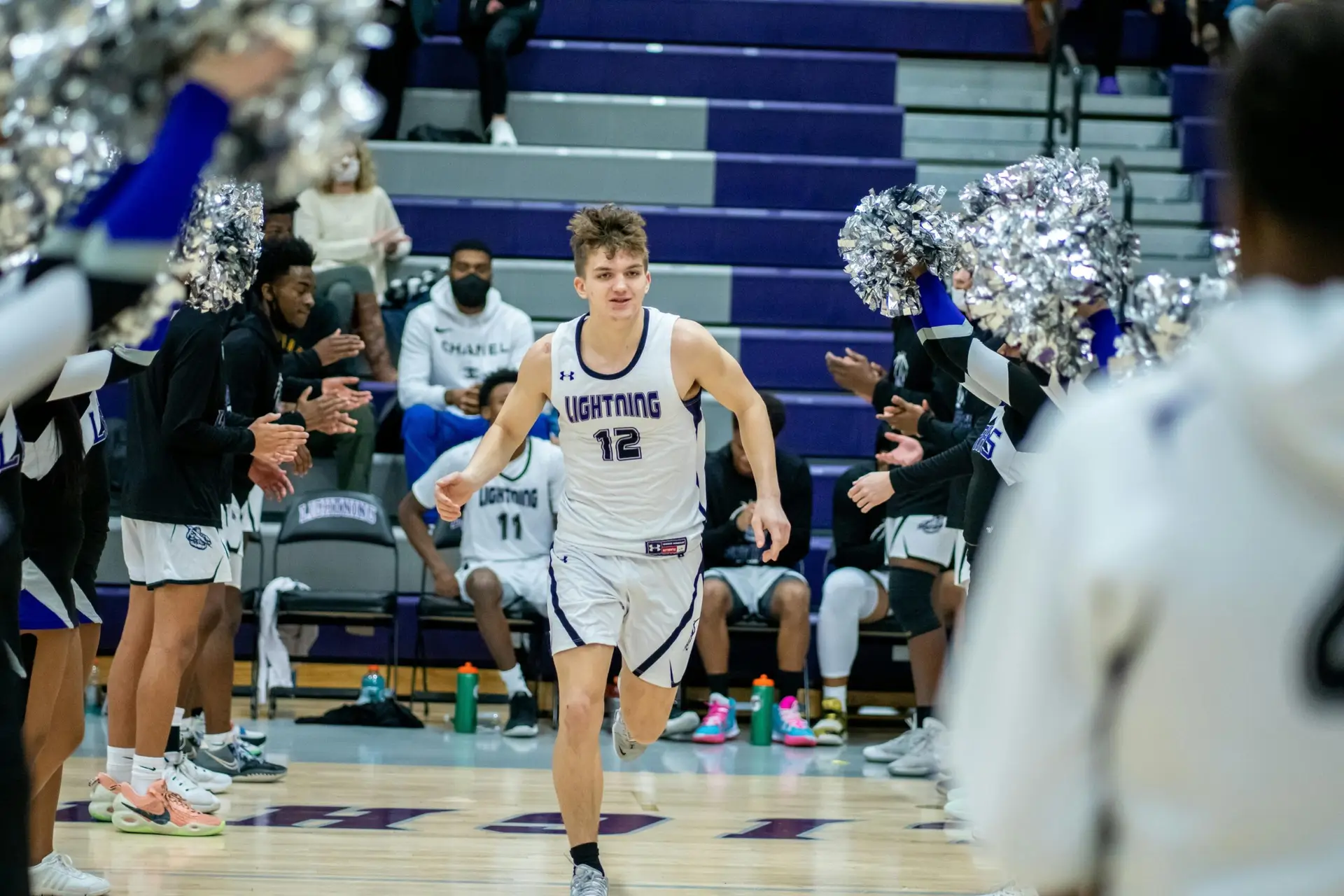
Life as a student-athlete in the U.S. is challenging but rewarding. Learning to balance training and studies shapes young people as athletes, students, and, above all, mature and responsible individuals. This experience provides confidence, lasting friendships, and valuable knowledge that lasts a lifetime. That’s why a scholarship in the U.S. is not just an investment in a sports career – it’s an investment in life itself.
One response
[…] Pročitaj kako balansirati treninge i studije […]